
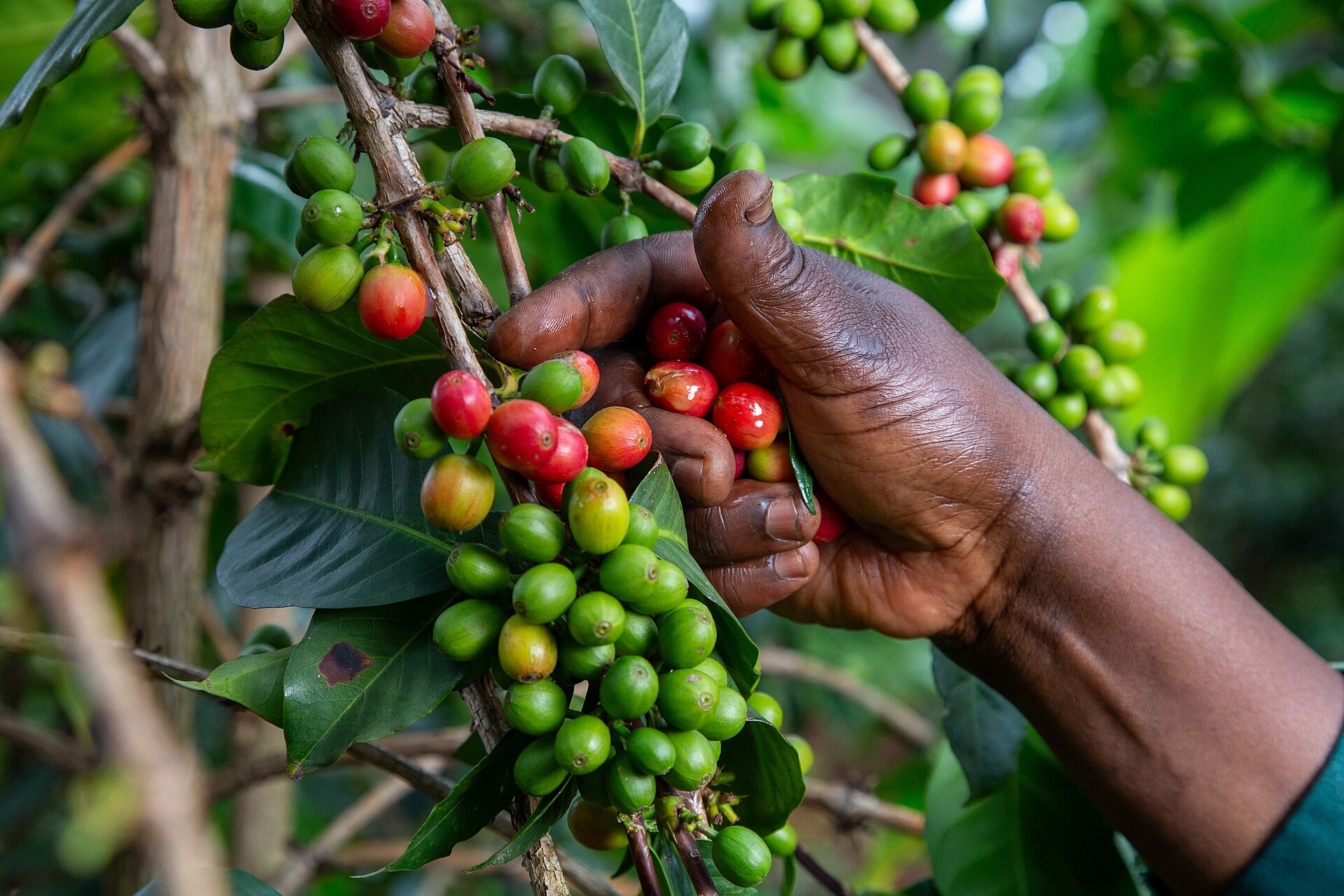
Honest coffee
Every beanyou drinkhas an address.
From a steep slope somewhere in the mountains to the cup poured in De Hemel. Who picks it, who grades it, what the farmer is paid, and why the forest there stays standing.
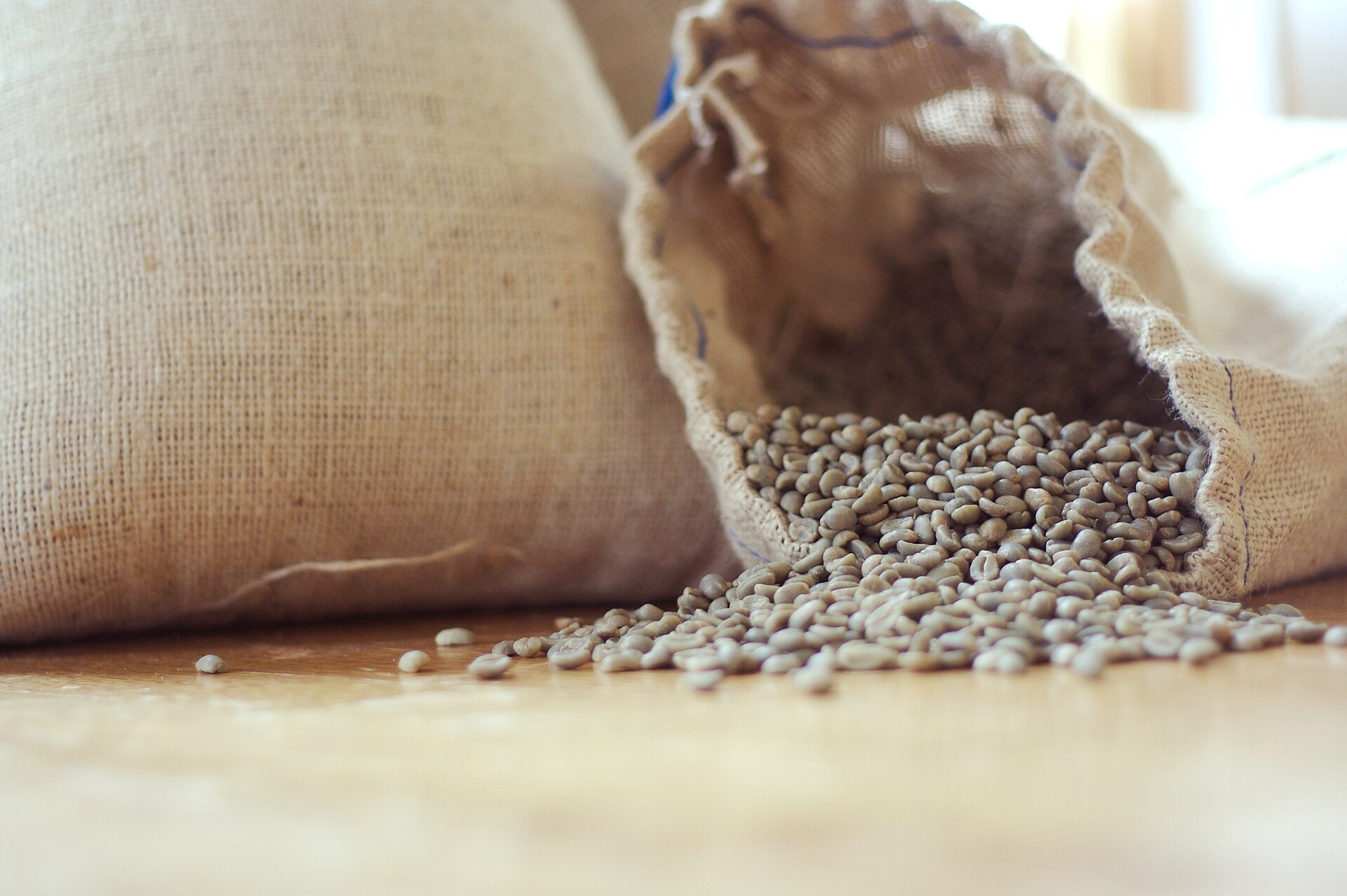
Coffee is a farm product. Behind every kilo there is a piece of land, a tree, a harvest and a person. We roast it, but we are not the first to put work into it.
Chapter 01
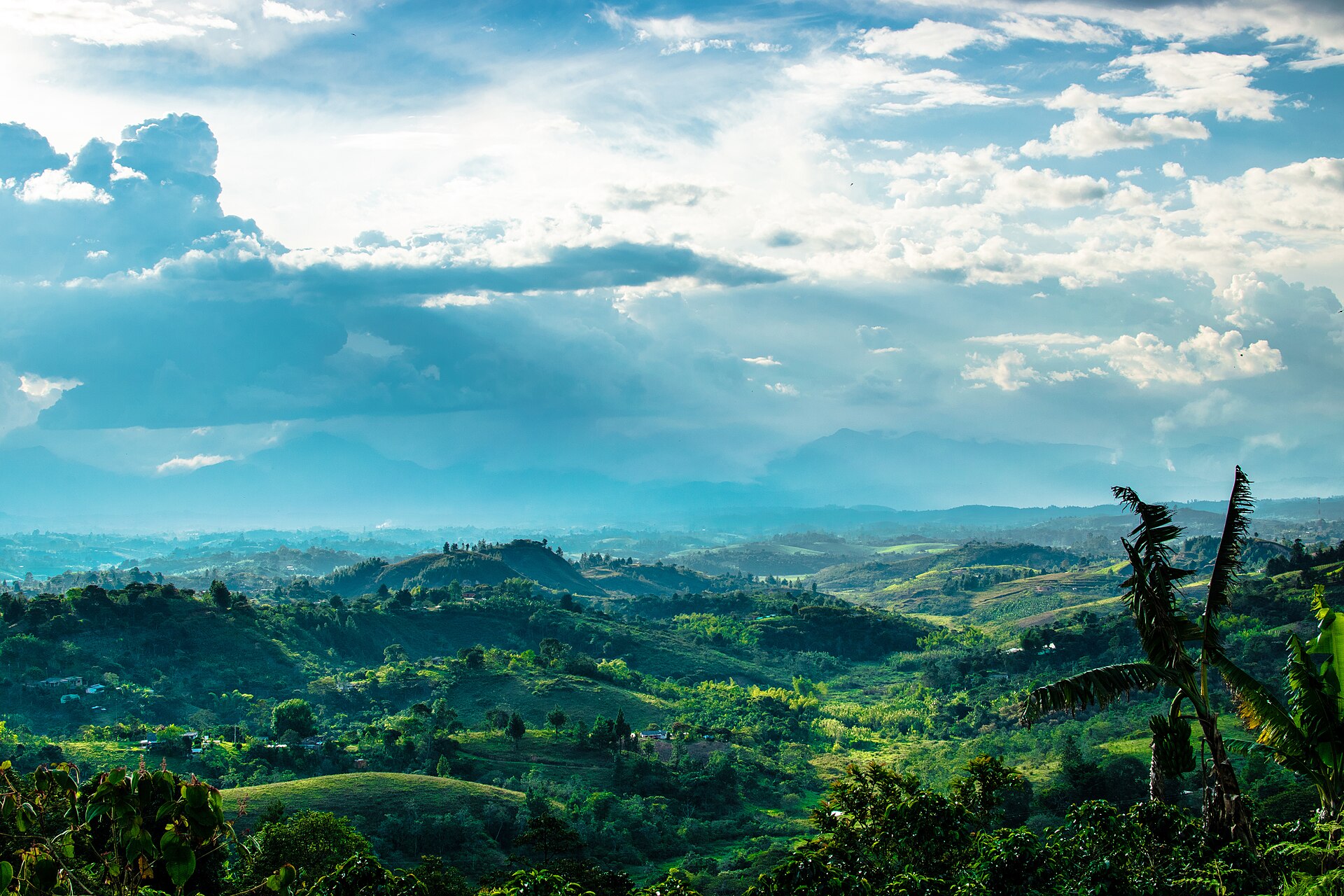
It starts on a slope
Our green coffee comes in through Daarnhouwer in Zaandam. That family business has traded in colonial goods since 1908 and has bought coffee for over a century.
Seven countries, twenty origins
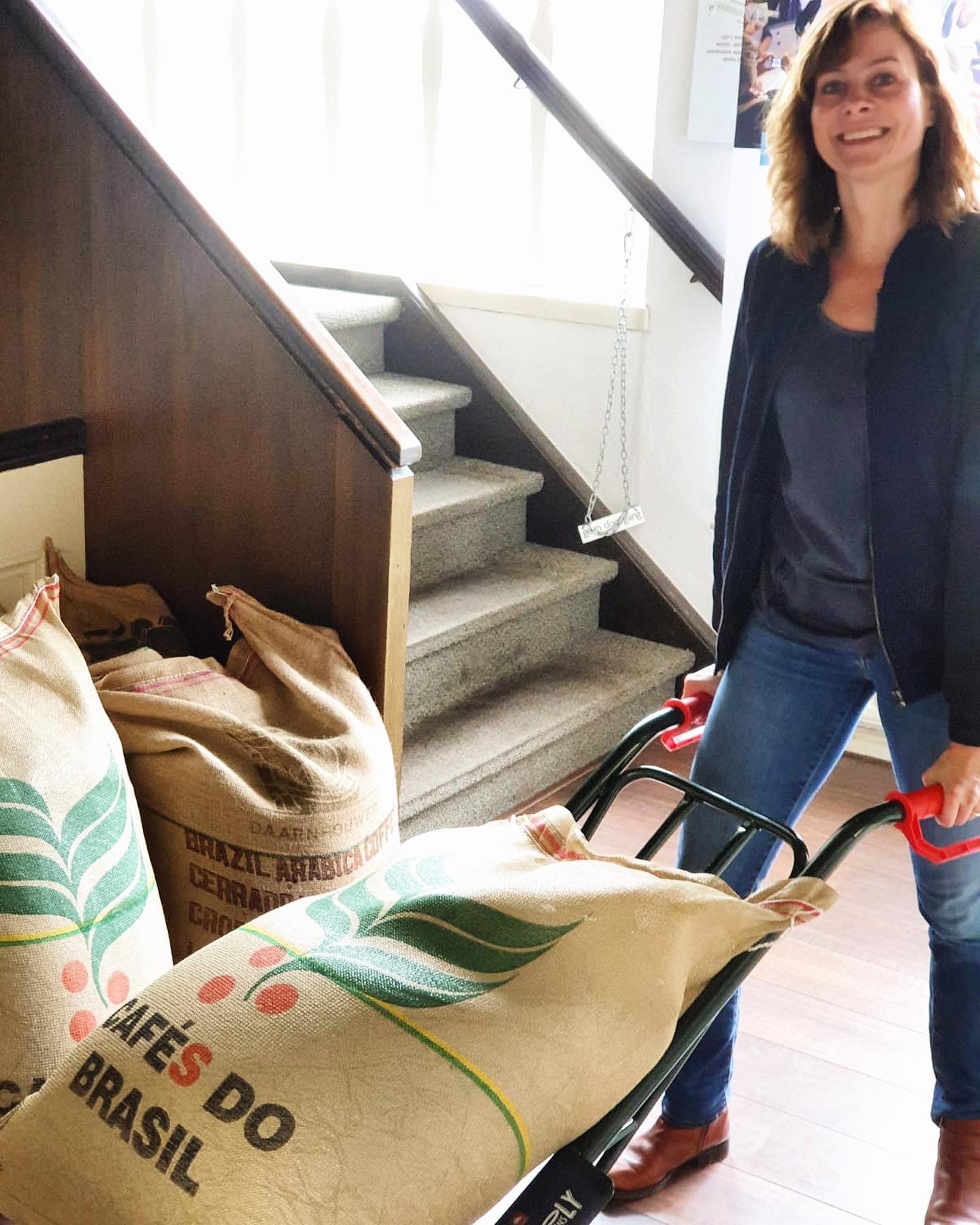
Daarnhouwer buys in seven countries and works with twenty origins. The company specialises in Indonesian and Ethiopian coffee. They visit the plantations themselves and are in regular contact with farmers and exporters. That is how they collect the story behind every lot.
That is exactly why we buy there. We roast small batches of five kilos at a time and we roast them well. We want to work with the best partners, the ones who strengthen us in our sustainable mission and add value to our product by selecting the best coffee producers in the world.
Tasted before it is bought
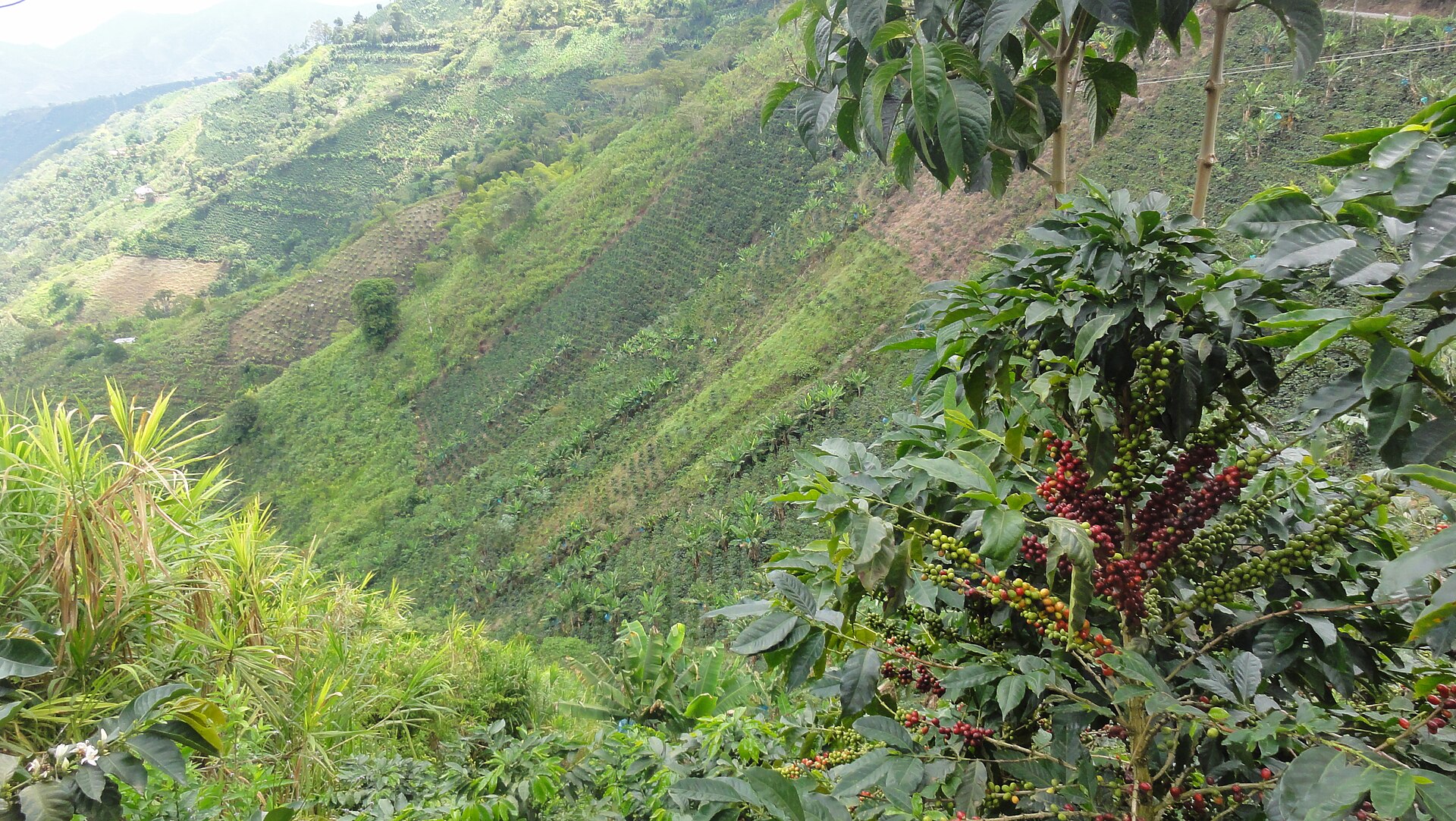
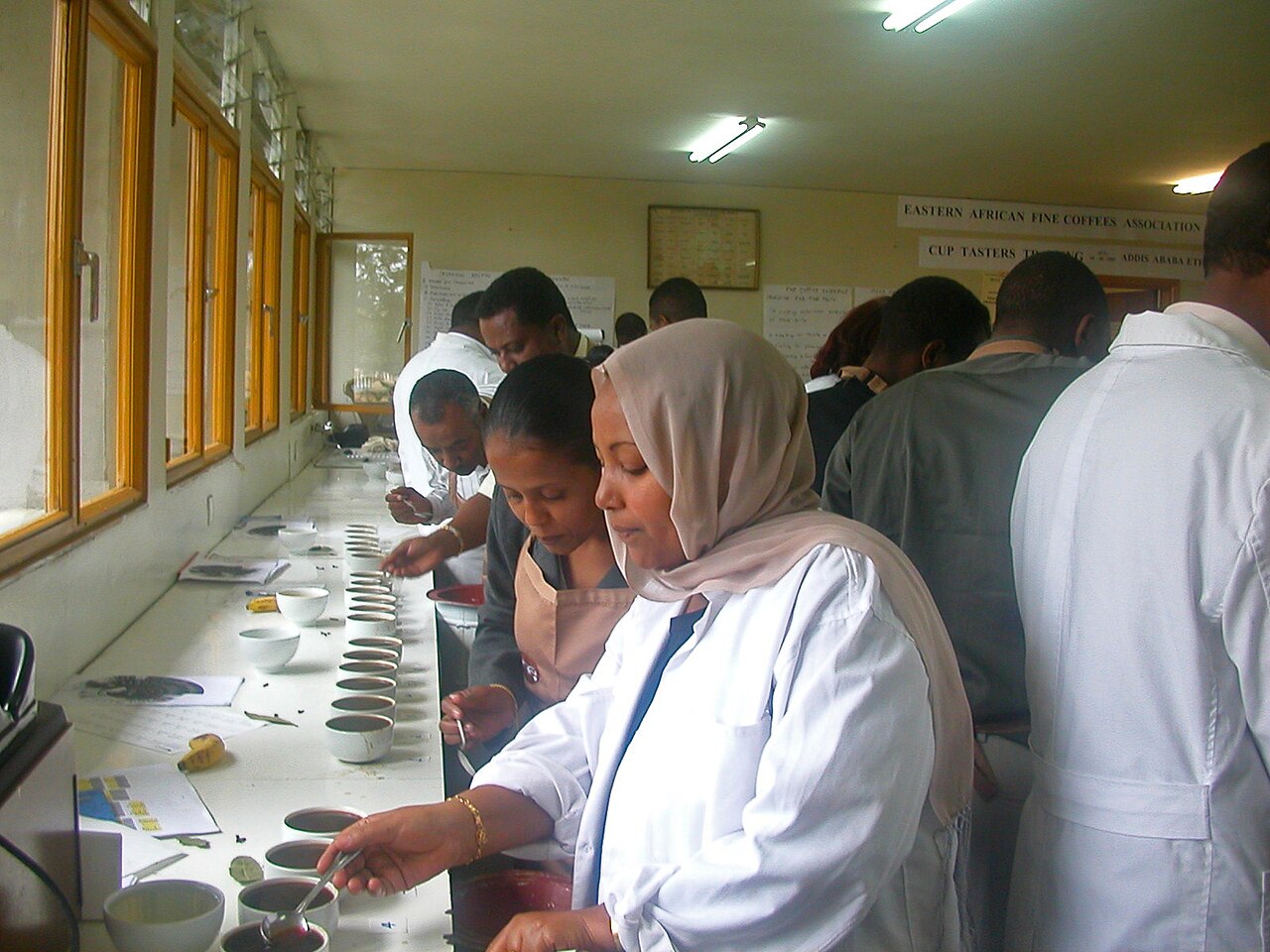
Daarnhouwer has its own coffee labs in Zaandam, in Medan on Sumatra and in Addis Ababa. Four Q Graders on the payroll score every sample and write the cupping notes.
In their own words all of their coffee undergoes “strict quality evaluation in our own state of the art labs”. For us that means a lot that does not pass the table never reaches our drum.
After that we taste it once more here in Nijmegen on the roast profile we give it.
The price
There is a floor under it
Fairtrade works with a minimum price. If the world market drops, the farmer does not drop with it. On top of that comes a premium that goes to the cooperative, which decides for itself where that money goes.
From 1 December 2026 the minimum prices go up. Well over eighty percent of all Fairtrade coffee is washed arabica, the top row below.
Daarnhouwer is certified for Fairtrade, Rainforest Alliance and organic. The company also holds the BRCGS food safety standard. Not every lot they sell carries every label. If you want to know what sits under a specific bag, ask us and we will look it up for you.
The forest
Coffee must not have cost a forest
At the end of 2026 the European deforestation regulation takes effect. Anyone selling coffee in Europe must then be able to show that it does not come from deforested or illegally used land. Not the region, the plot.
ForestCleared
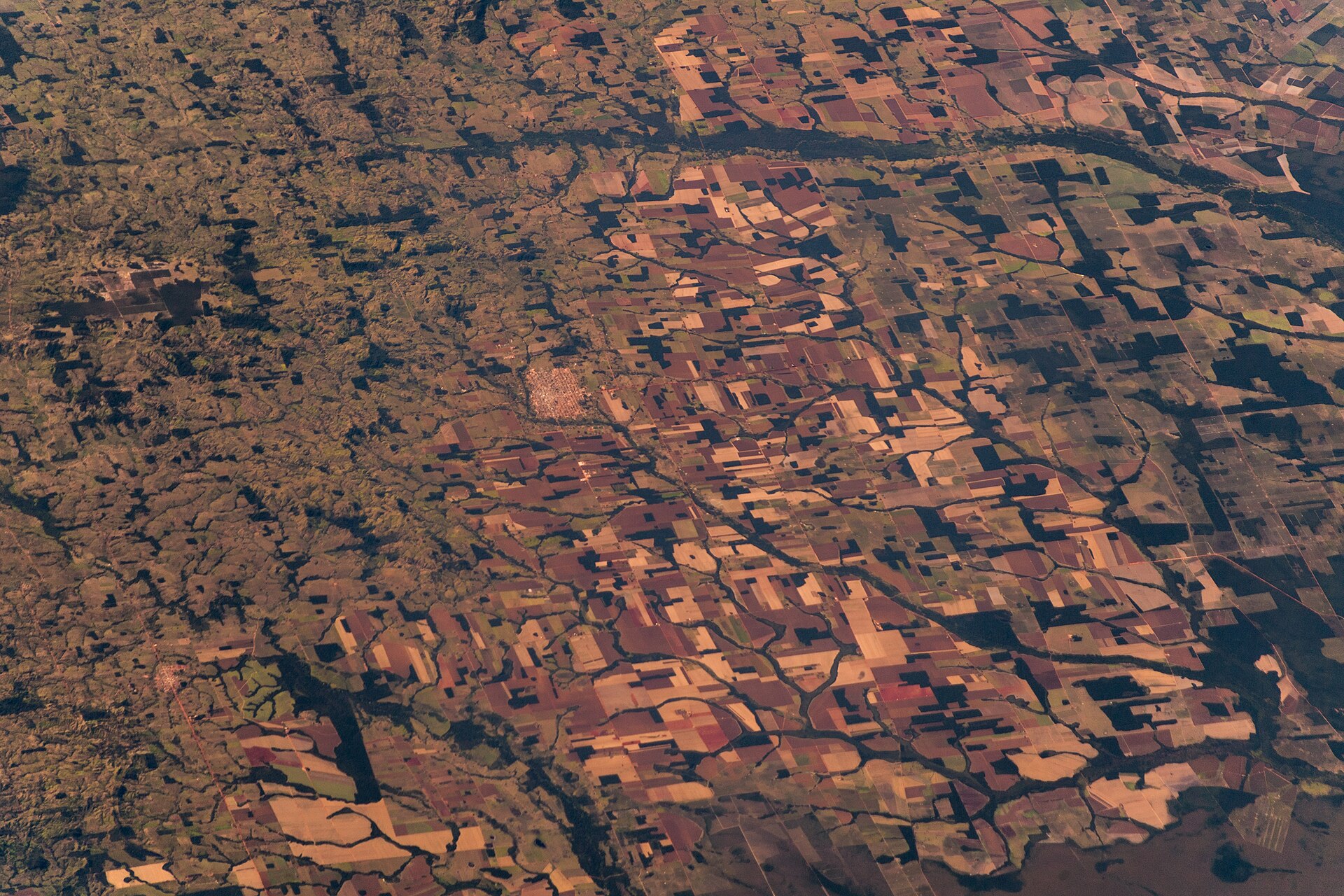
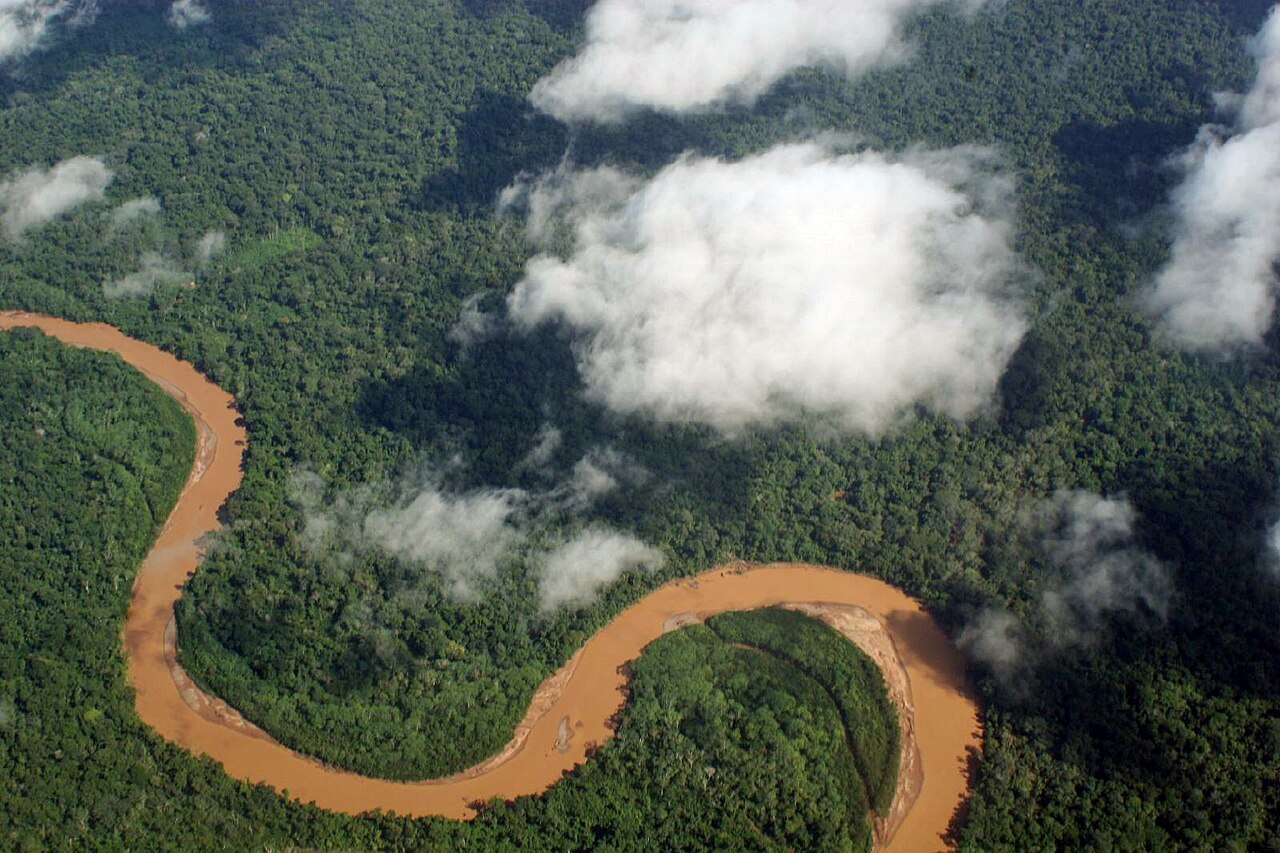
Drag the slider to put the two images side by side. On the left the rainforest is still standing. On the right the forest has been cleared and the land divided into straight parcels. These are two different places and not a before and after of the same spot. Satellite images like these show exactly where forest has gone, down to a plot of two hectares.
What the rule asks
The geolocation of the plot itself. Traceability of every lot back to its origin. And a documented risk assessment per origin.
What our importer does
Daarnhouwer is mapping its whole coffee and cocoa chain and collecting geolocation data down to plot level. For the checks on that they work with satellite company Satelligence. They call it a chance to deepen the bond with their origins.
Chapter 05
A label that looks further than the price
Rainforest Alliance
Label Read the standard at Rainforest Alliance
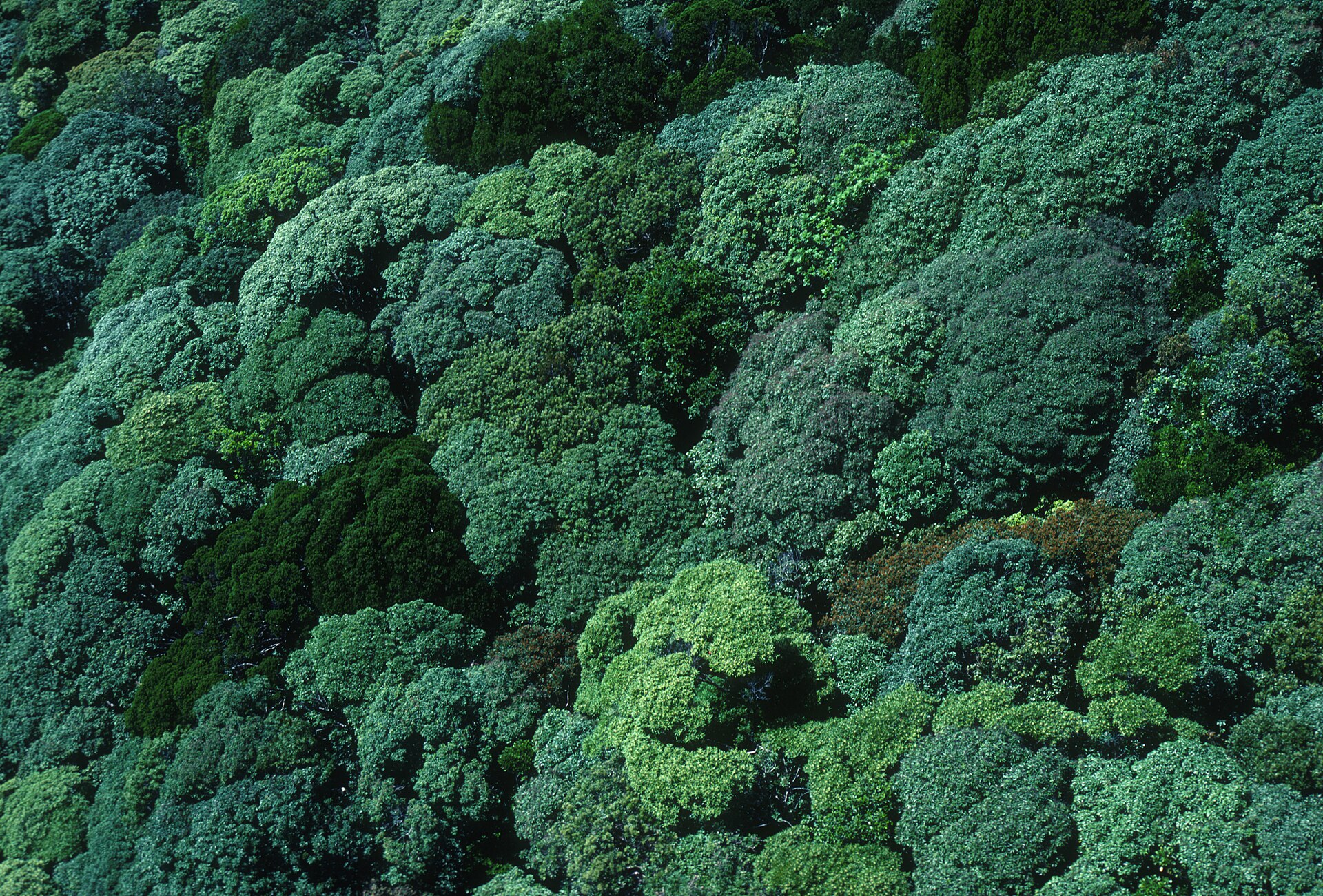
This label is not only about trees. The standard sets requirements for the land, for the crop and for the people who work there. On top of that you have to be able to follow where a lot comes from.
All of our coffee comes in through Daarnhouwer and that company is certified for Rainforest Alliance. So what goes into our drum was bought by a party that has itself audited against these requirements every year.
Protection of forest and of the species living in it, plus waste and energy on the farm.
Soil health, crop rotation and controlled handling of pests instead of spraying everything flat.
Monitoring of child labour and forced labour, with a system to act on it.
Equal treatment of women on the farm and in the organisation around it.
Agreements on paper and safe working conditions for everyone who works there.
Traceable from producer to end product, so a claim can be checked.
Chapter 06
And then it comes in here
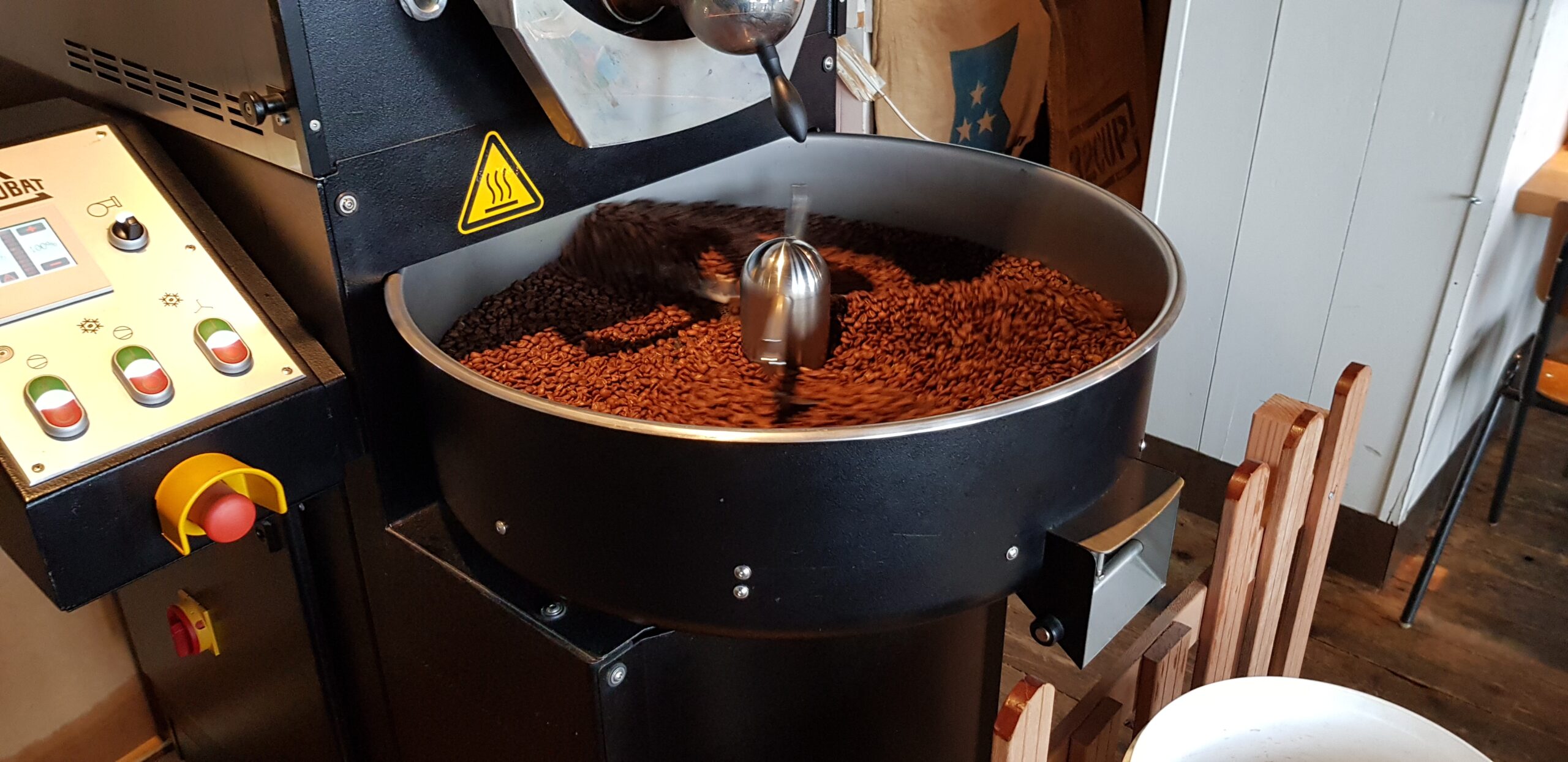
In the Commanderie van Sint Jan on Franseplaats in Nijmegen stands a Probat that takes five kilos at a time, every week.
Roasting small is sustainable too
Every week we roast batches of five kilos and exactly as much as that week needs. There is no warehouse with pallets sitting there ageing and nothing gets thrown out because it went past its date.
We pack by hand, in the same building. Between the drum and the bag there is no lorry and no middleman.
The last mile
Zero metres to the cup
The coffee poured in De Hemel travels no distance at all. The roaster stands in the same building as the bar. That is not a clever calculation, that is simply the floor plan.
On the bike ourselves
Orders in Nijmegen we bring round ourselves by bike. No van driving into the town centre for two bags.
And with Velocity
Everything that goes further than our own bike runs through our partner Velocity. They have been riding in Nijmegen for twenty four years and work from a city hub just outside the centre. In the city they deliver with zero emissions and the rest of the country they reach with their parcel service.
What we stand for ourselves
Four things we hold in our own hands
The farmer, the forest and the label sit further away from us. This is within reach, and this is what we really steer on.
-
Keeping the chain short
From importer to our drum to your cup. No distribution centre, no extra party inventing another link.
-
Roasting to order
Five kilos at a time, weekly. What we roast goes out. What is not needed, we do not roast.
-
Keeping the last mile clean
In Nijmegen we bring orders round ourselves by bike. Everything that goes out into the country runs through our partner Velocity, who work from a city hub.
-
Telling what we know
If you want to know where a specific bag comes from and which label sits under it, we look it up with the importer and you get an answer. Even when that answer is dull.
Taste where this story ends up
Three roasts, freshly roasted every week on Franseplaats. In the shop, or per kilo for your business.
Where these figures come from
- Daarnhouwer and Co, on the company, the labs, the Q Graders and the certifications: daarnhouwer.com/about en daarnhouwer.com/coffee
- The European deforestation regulation and the work with Satelligence: daarnhouwer.com/about/eudr
- The Fairtrade minimum prices from 1 December 2026: Fairtrade International, reported by Daily Coffee News on 4 August 2026
- What the Rainforest Alliance standard covers: rainforest-alliance.org
- Velocity, the Nijmegen bike courier: velocity.nl